
Understanding Peptide Research Supplies in Australia
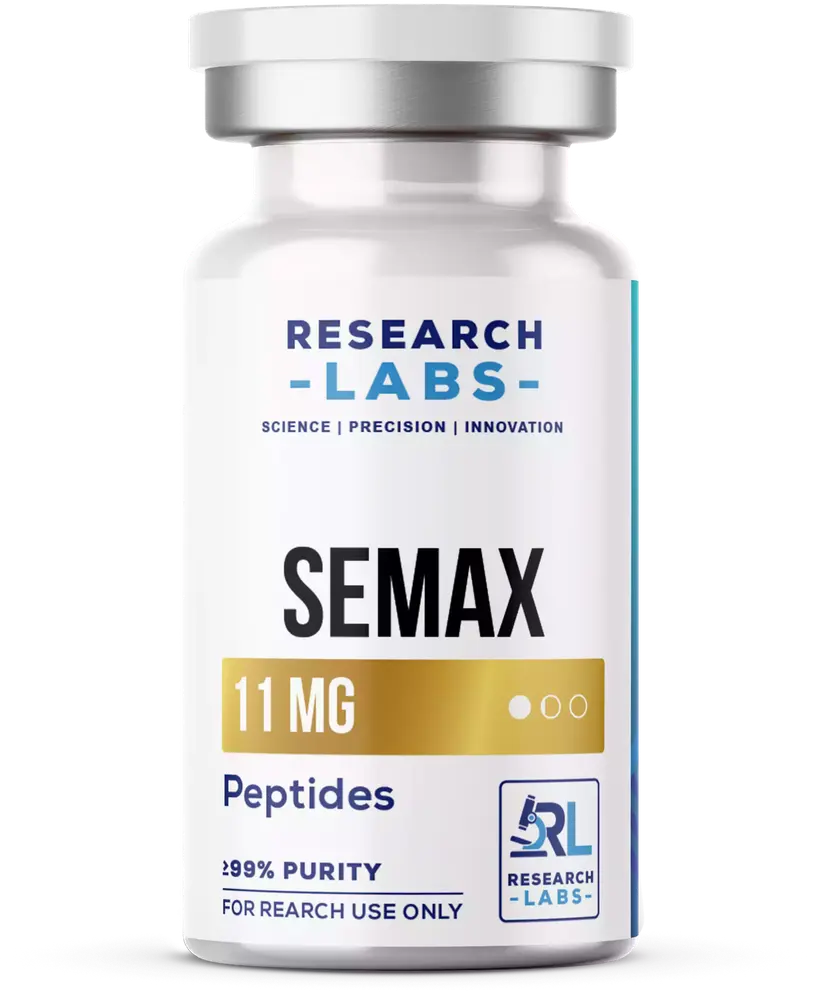
Research-grade peptide packaging showing batch identification and product details.
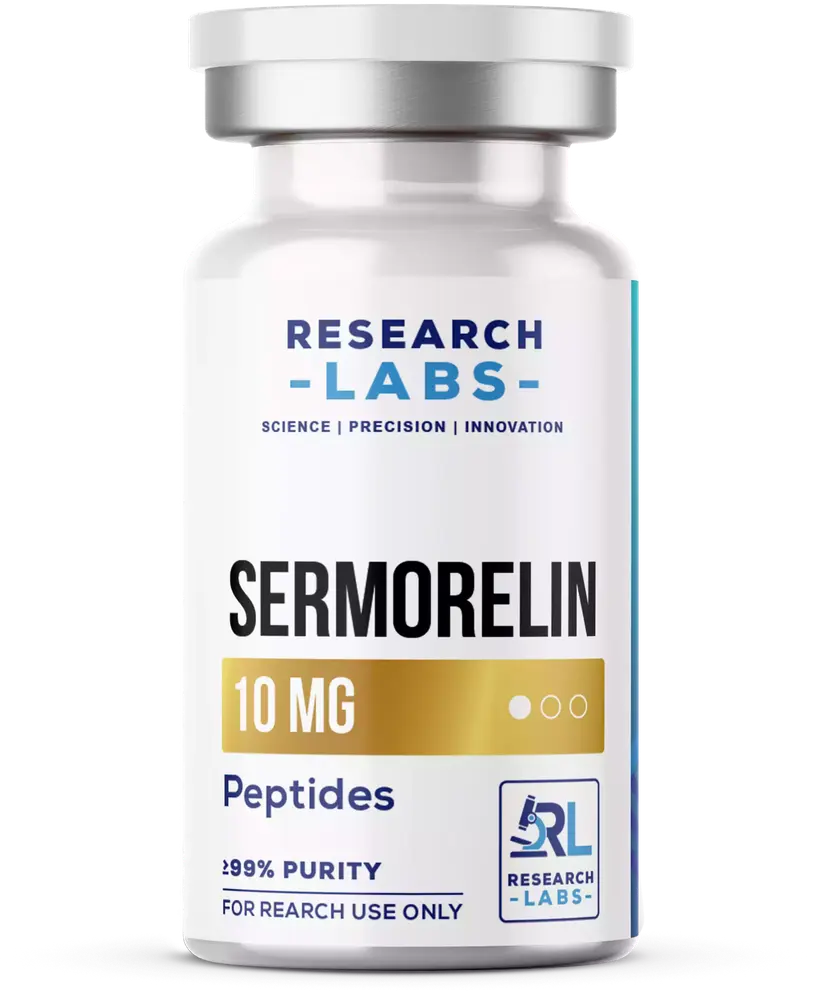
Batch-verified lyophilised peptide vials formatted for laboratory research protocols.
Peptide research supplies in Australia include catalog peptides, custom-synthesized sequences, analytical reagents, and laboratory consumables. The most important distinction is between legitimate laboratory research materials and products marketed for human use; in Australia, sourcing should be based on documented research purpose, supplier quality controls, and compliance with the Therapeutic Goods Administration (TGA) framework.
Important: Peptide products available through RL Australia are intended for laboratory and research use only. They are not for human consumption, not for clinical treatment, and not for personal use. Purchasers must be 18 or older and must use products solely for legitimate research purposes.
What “Research Supplies” Include
A peptide research supply chain is broader than the peptide vial itself. It may include lyophilized peptides, sterile diluents, bacteriostatic water where appropriate for the laboratory setting, vials and syringes for laboratory handling, analytical standards, and storage materials.
Common supply categories include:
- Catalog peptides for biochemical assays, proteomics, and method development
- Custom peptides synthesized to a specified sequence, modification, and purity specification
- Peptide standards and impurity reference materials
- Analytical services such as HPLC, LC-MS, and endotoxin testing, ideally from ISO/IEC 17025-accredited laboratories
- Laboratory consumables and storage materials for peptide handling
Quality Documentation
The central quality-control document is a batch-specific Certificate of Analysis (COA). RL Australia publishes its reports on its lab results page. It should identify the exact lot supplied and provide analytical evidence rather than relying on a broad purity claim.
| Documentation | What it verifies |
|---|---|
| COA | Lot identity, purity result, test date, and analytical method. |
| HPLC | Purity and separation from synthesis-related impurities. |
| MS or LC-MS | Molecular-weight confirmation and identity support. |
| Endotoxin testing | Relevant for cell-based or animal research applications. |
| Storage details | Lyophilized form, recommended temperature, and handling conditions. |
For many research applications, suppliers commonly advertise purity above 98%, but the more important question is whether the COA, chromatogram, and mass-spectrometry data are tied to the specific lot being purchased. Where a report names an accredited laboratory, you can check its scope through NATA.
Australian Sourcing Considerations
Local procurement can reduce transit time and limit exposure to temperature changes during international shipping. This can be useful for peptides that are sensitive to heat, humidity, or repeated handling, although it does not replace proper analytical verification.
When comparing Australian suppliers, assess:
- Whether the material is supplied in lyophilized form and stored under appropriate conditions
- Whether domestic shipping uses protective, temperature-appropriate packaging
- Whether the supplier can provide batch-specific documentation before purchase
- Whether technical support can explain synthesis, solubility, storage, and analytical limitations
- Whether the supplier clearly labels products for laboratory research rather than human consumption
Regulatory Context
Australia’s regulatory environment is more restrictive than many online marketplaces imply. The TGA regulates therapeutic goods and controls the importation and distribution of many peptide substances, with different rules depending on whether a compound is scheduled, prescription-only, prohibited, or unscheduled. Regulated peptide products generally must be included in the Australian Register of Therapeutic Goods, and the TGA states that “research use only” disclaimers do not change a product’s regulatory status. Personal imports are limited by the Personal Importation Scheme, and significant penalties can apply to unlawful dealings.
For legitimate laboratory use, documentation matters: retain invoices, product labels, COAs, and laboratory records. Institutions may have additional requirements for purchasing, storage, disposal, ethics approval, and controlled-substance handling.
Supplier Types
Not every organization selling peptides serves the same purpose. Understanding the difference helps prevent sourcing errors and compliance problems.
| Supplier type | Typical role |
|---|---|
| Research-grade peptide supplier | Supplies catalog or custom peptides for laboratory research. |
| GMP manufacturer | Produces peptides under more formalized quality systems; relevant for higher-assurance applications. |
| Compounding pharmacy | May prepare products for specific patient-related purposes under a separate regulatory framework. |
| Online wellness clinic | May operate under different rules (see the TGA’s warning to peptide promoters and suppliers) and should not be assumed to provide research-grade laboratory material. |
| Unverified social-media seller | Generally unsuitable for research procurement because documentation and traceability are often unclear. Scamwatch has guidance on spotting fake sellers. |
Practical Procurement Workflow
- Define the exact peptide sequence, modification, quantity, and required purity.
- Request a batch-specific COA, HPLC chromatogram, and MS/LC-MS report before ordering.
- Confirm that the product is clearly labeled for research use and that its import or supply is permitted for your intended purpose.
- Review shipping, storage, and reconstitution instructions, plus the returns policy, before receipt.
- Keep the COA, invoice, lot number, and laboratory records together for traceability.
- Use a small pilot order for a new supplier before committing to larger research quantities.
Red Flags
Avoid suppliers that cannot identify the testing laboratory, provide only generic COAs, make human-use or therapeutic claims, or cannot explain how a product is stored and shipped. Claims of “99% purity” are not meaningful without lot-specific HPLC and MS evidence.
RL Australia publishes its lab results, shipping and returns information, and Australian contact details so buyers can complete these checks. The strongest approach is to treat peptide procurement as part of experimental quality control: verify the supplier, verify the batch, document the chain of custody, and ensure the material is used only in a lawful laboratory research context.
Disclaimer: This article is for general information and research-market education only. It does not provide medical, legal, or regulatory advice. Peptide products available through RL Australia are for laboratory and research use only, are not for human consumption, and must not be used for personal, clinical, or therapeutic purposes. Purchasers must be 18 or older and agree to use products solely for legitimate research purposes.
Australian Regulatory References
- TGA: Peptide products
- TGA: How therapeutic peptide products are regulated
- TGA: Responsibilities when importing, supplying, or advertising unapproved peptide products
- TGA: Personal Importation Scheme
- TGA: Compliance and enforcement hub
- Australian Register of Therapeutic Goods (ARTG)
- NATA: ISO/IEC 17025 laboratory accreditation