
What Are Peptides?
A Beginner’s Guide to Peptide Research
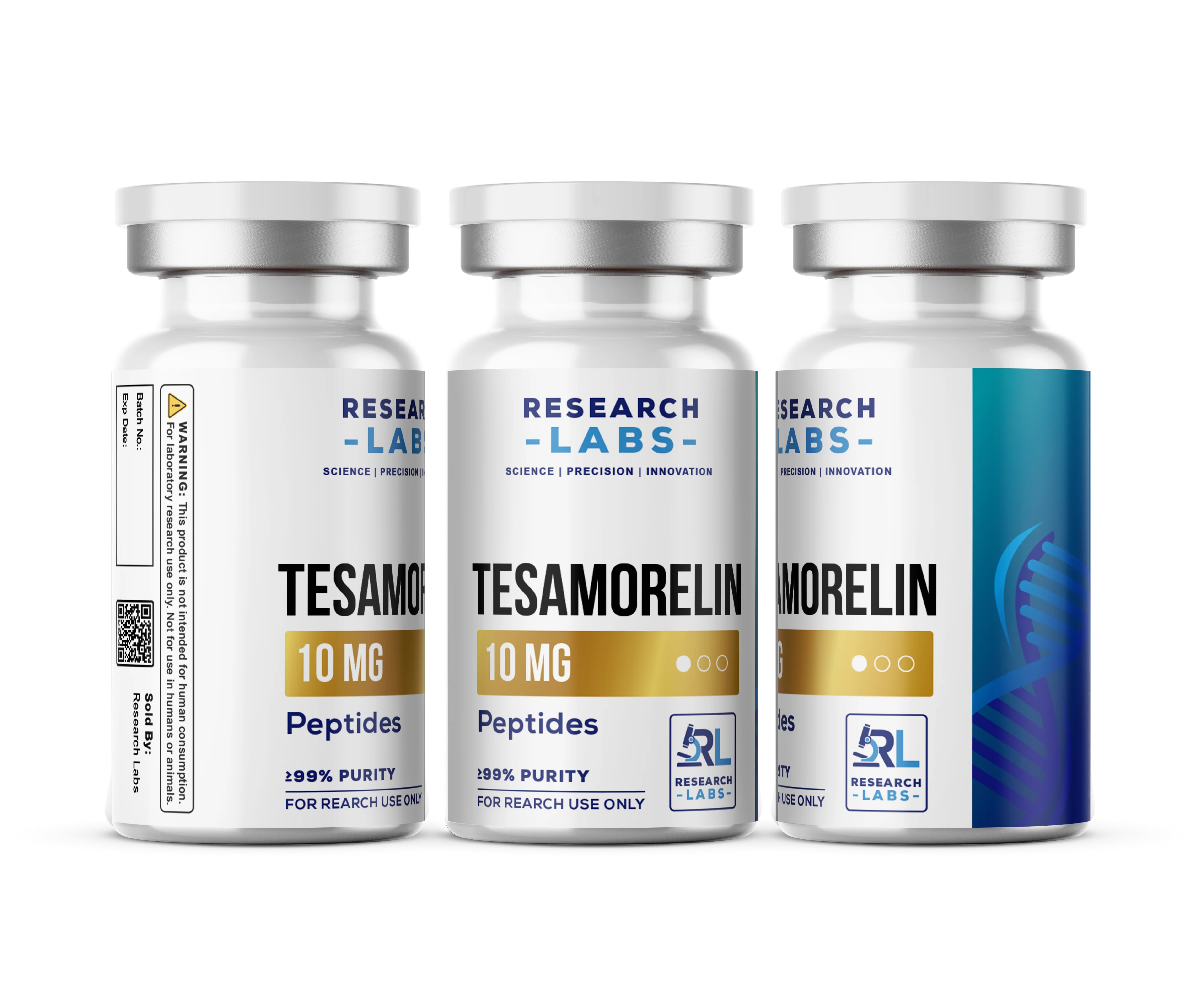
Peptides are short chains of amino acids that play important roles in biological systems. In research settings, they are studied for their structure, stability, interactions with other molecules, formulation behaviour, and potential applications across scientific disciplines.
If you have seen the term “peptides” online, you may have encountered a confusing mix of scientific language, wellness marketing, and product listings. This guide is different. It explains what peptides are, how researchers study them, why documentation such as a Certificate of Analysis matters, and what Australian buyers should consider when sourcing research-grade materials.
Disclaimer: This article is intended for general education and research-market information. It does not provide medical advice, dosing guidance, or instructions for personal use. Peptide products available through RL Australia are intended for laboratory and research use only and are not for human consumption.
What Is a Peptide?
A peptide is a molecule made from amino acids joined together by peptide bonds. Amino acids are the building blocks of proteins, and peptides are essentially shorter chains of these building blocks.
When amino acids link together, they form a chain. A short chain may be called a peptide, while a longer chain may be referred to as a polypeptide or protein. The distinction is not always sharply defined, but peptides are generally understood to be shorter sequences than full proteins.
In simple terms:
- Amino acid: A basic building block
- Peptide: A short chain of amino acids
- Polypeptide: A longer chain of amino acids
- Protein: A larger, often more complex biological molecule made from one or more polypeptide chains
Peptides occur naturally in living organisms. They are involved in many biological processes and are studied in laboratories for their chemical and biological properties.
The Therapeutic Goods Administration (TGA) describes peptides as products that may be regulated as therapeutic goods when they are presented or used for therapeutic purposes in Australia. This distinction matters: a peptide can be a research material, a pharmaceutical ingredient, or a therapeutic product depending on its context, formulation, claims, and intended use.
Peptides vs Proteins: What Is the Difference?
Peptides and proteins are related, but they are not identical.
| Feature | Peptides | Proteins |
|---|---|---|
| Chain length | Generally shorter | Generally longer |
| Structure | Often simpler | Often more complex |
| Function in research | Studied for structure, stability, interactions, and formulation | Studied for biological function, structure, and larger-scale behaviour |
| Typical research focus | Sequence, purity, stability, receptor interaction, analytical behaviour | Folding, enzymatic activity, structural biology, complex biological systems |
| Common laboratory presentation | Lyophilised powder, solution, or research set | Purified protein, recombinant material, or biological sample |
A useful way to think about it is that peptides are smaller, more focused molecules. Proteins are larger and often have more elaborate structures. However, both are made from amino acids, and both can be important subjects of scientific research.
Natural Peptides and Synthetic Peptides
Peptides can be found naturally in the body and in other living organisms. They can also be manufactured synthetically for laboratory study.
Natural Peptides
Natural peptides are produced by living organisms. They may be involved in signalling, structural functions, defence mechanisms, digestion, and other biological processes.
Researchers may study natural peptides to understand:
- How biological systems communicate
- How molecules interact with receptors
- How peptide structures influence stability
- How sequences affect chemical behaviour
- How natural processes can inform laboratory methods
Synthetic Peptides
Synthetic peptides are created in laboratories or manufacturing settings. They are designed for controlled study and may be produced with specific sequences, modifications, or purity targets.
Synthetic peptides are commonly used in research to:
- Investigate molecular interactions
- Develop analytical methods
- Study chemical stability
- Explore formulation characteristics
- Support method development
- Conduct comparative laboratory studies
A synthetic peptide is not automatically a therapeutic product. Its regulatory status depends on how it is marketed, supplied, and intended to be used. The TGA explains that peptide products regulated as therapeutic goods must generally be included in the Australian Register of Therapeutic Goods before they can be imported, manufactured, supplied, exported, or advertised.
Common Types of Peptides in Research
The word “peptide” covers a broad category. Researchers may work with many different classes of compounds, depending on their field and objectives.
Signalling Peptides
Signalling peptides are involved in communication within biological systems. In research, they may be studied for their structure, receptor interactions, stability, and analytical behaviour.
Antimicrobial Peptides
Antimicrobial peptides are studied for their interactions with microorganisms and their potential relevance to scientific research. Research in this area may focus on structure, mechanism, stability, and laboratory performance.
Neuropeptides
Neuropeptides are associated with signalling in the nervous system. Research may examine their sequences, structures, receptor interactions, and chemical properties.
Hormone-Related Peptides
Some peptides are related to hormonal signalling pathways. In a research context, these compounds may be studied for their molecular structure, receptor-binding characteristics, stability, and analytical behaviour.
Cosmetic Research Peptides
Some peptides are studied in cosmetic and formulation research. This area may examine stability, compatibility with ingredients, and formulation behaviour. It is important to distinguish between laboratory research and product claims: a research peptide is not automatically a cosmetic ingredient, and a cosmetic ingredient is not automatically approved for therapeutic use.
Industrial and Analytical Peptides
Peptides may also be used in analytical chemistry, materials research, method development, and quality-control processes. In these settings, the focus is often on purity, identity, stability, and reproducibility.
How Peptides Are Studied in Laboratories
Peptide research is broad. It can involve chemistry, biology, analytical science, formulation development, and quality control.
Structural Research
Researchers may study the sequence, shape, and folding behaviour of peptides. Structure can influence how a peptide behaves in a solution, how it interacts with other molecules, and how stable it is under different conditions.
Common questions include:
- What is the amino acid sequence?
- How does the peptide fold or arrange itself?
- Does the structure change with temperature or pH?
- How stable is the compound over time?
- How does the structure relate to its research behaviour?
Purity and Identity Testing
Before a peptide can be used reliably in research, its identity and purity need to be assessed. This is where analytical testing becomes important.
Common analytical approaches may include:
- Mass spectrometry
- High-performance liquid chromatography
- Liquid chromatography–mass spectrometry
- Nuclear magnetic resonance spectroscopy
- Amino acid analysis
- Purity assays
These methods help researchers assess whether a material matches its expected identity and purity specification.
Stability Research
Peptides can be sensitive to environmental conditions. Temperature, light, moisture, pH, and repeated handling may affect their stability.
Stability research may examine:
- How a peptide behaves over time
- How temperature affects degradation
- How pH influences stability
- How packaging affects exposure to moisture or light
- How repeated handling affects material integrity
This is why storage guidance and handling practices matter. A research material should be stored according to the supplier’s documentation and the laboratory’s standard operating procedures.
Formulation Research
Formulation research examines how a peptide behaves when combined with other materials or prepared in a particular format. Researchers may study solubility, pH behaviour, compatibility, stability, and presentation.
For example, a peptide supplied as a lyophilised powder may need to be handled differently from a pre-formulated research solution. The appropriate approach depends on the compound, the research protocol, and the supplier’s documentation.
Analytical Method Development
Researchers may develop or validate methods to detect, measure, or characterise peptides. This work can support quality control, research reproducibility, and analytical accuracy.
A well-developed method should be repeatable, documented, and appropriate for the compound being studied.
What Is a Certificate of Analysis?
A Certificate of Analysis, or COA, is a document that provides information about a specific batch of material. It is one of the most important documents in research sourcing.
A COA is not simply a marketing claim. It is a batch-specific record that can help a buyer verify key details about the material being supplied.
A useful COA may include:
- Product name
- Catalogue reference
- Batch or lot number
- Appearance
- Purity result
- Analytical method
- Test date
- Laboratory details
- Storage recommendations
- Expiry or retest date, where applicable
- Research-use-only statement
RL Australia states that its research-grade peptides include a COA and that lab reports are linked on each product page. This allows buyers to review documentation before committing to a purchase.
Why a COA Matters
A COA matters because research depends on traceability. If a researcher cannot link a result to a specific batch, it becomes harder to reproduce the work or identify the source of variability.
A batch-specific COA can help a researcher:
- Confirm what material was received
- Link experimental results to a particular batch
- Compare results across experiments
- Identify potential sourcing or handling issues
- Maintain accurate laboratory records
- Support quality-control processes
What a COA Does Not Do
A COA is valuable, but it has limits. It does not:
- Approve a product for human use
- Replace medical advice
- Guarantee safety for every application
- Replace regulatory approval
- Remove legal obligations
- Prove suitability for every research protocol
A COA is a research documentation tool. It should be read carefully and matched to the exact product and batch ordered.
Third-Party Testing: What It Means
Third-party testing means that an external laboratory has assessed a material, rather than relying only on the supplier’s internal testing.
This does not mean that third-party testing solves every possible issue. However, it can provide an additional layer of transparency.
When reviewing third-party testing information, consider:
- Is the testing laboratory identified?
- Is the laboratory accredited, for example to ISO/IEC 17025?
- Is the report linked to a specific batch?
- Does the report match the product name and quantity?
- Does the document include a date and identifiable test method?
- Is the report easy to download or view?
- Does the supplier explain what the test measures?
RL Australia highlights third-party lab testing and says customers can view the lab reports behind each compound.
How to Read a Lab Report
A lab report should be clear, specific, and relevant to the material being supplied. Look for the following:
- A matching product name
- A matching batch number
- A testing date
- A clear purity result
- The testing method
- Laboratory identification
- Any relevant notes or qualifications
If a report is generic, undated, missing a batch number, or does not match the product, treat it as a warning sign.
Why Peptide Research Requires Careful Documentation
Documentation is not an optional extra in peptide research. It is part of the work.
Good documentation helps researchers maintain accurate records and supports reproducibility. It also helps laboratories identify issues quickly if something changes between batches or experiments.
A strong documentation system may include:
- Product name and catalogue reference
- Supplier details
- Batch number
- COA or lab report
- Date received
- Storage location
- Storage temperature
- Opening date
- Handling notes
- Experimental protocol reference
- Disposal record, where applicable
This level of record-keeping may seem detailed, but it supports better research practice. It also makes it easier to trace a result back to the exact material used.
How Peptides Are Supplied
Peptides can be supplied in different formats. The most appropriate format depends on the compound, research application, storage requirements, and supplier processes.
Lyophilised Powder
A lyophilised powder is a dried, powdered form of a material. This format is common in research because it can support stability and easier storage when handled appropriately.
Lyophilised peptides are often supplied in sealed vials. The vial may contain a specific net amount of material, and the label should identify the compound, batch, and research-use status.
Research Solutions
Some peptides may be supplied as research solutions. These are pre-formulated materials that may be ready for particular laboratory applications.
When considering a solution, buyers should review:
- Concentration
- Solvent or carrier
- Storage requirements
- Stability information
- Intended research use
- Handling instructions
Multi-Compound Research Sets
Some suppliers offer multi-compound research sets. These may include several related materials packaged together for research convenience.
RL Australia includes multi-compound sets in its catalogue, alongside individual peptides and add-ons or accessories.
Accessories and Add-Ons
Research accessories may include items that support laboratory workflows. These can include storage materials, handling tools, or other laboratory-related items.
Accessories should be clearly distinguished from research compounds. A buyer should always know exactly what is included in an order.
How to Choose a Peptide Supplier in Australia
Choosing a supplier is about more than finding the lowest price. A reliable supplier should provide clear information, documentation, and support.
Clear Product Identification
Every listing should clearly identify the compound. Look for:
- Full compound name
- Molecular formula, where applicable
- Molecular weight, where applicable
- CAS number, where relevant
- Purity specification
- Net amount or vial size
- Storage guidance
- Batch number
- Research-use-only labelling
Clear labelling matters. The TGA has warned that unmarked vials, products identified only by codes, and items missing active-ingredient or concentration information create safety risks and may not be released under the Personal Importation Scheme.
Batch-Specific Documentation
A supplier should be able to provide documentation that matches the batch being supplied. A generic COA that does not identify a batch is less useful than a batch-specific document.
Before ordering, review:
- The COA or lab report
- The batch number
- The purity result
- The testing date
- The analytical method
- Storage guidance
Transparent Testing
Third-party testing can add transparency. Look for reports that are accessible, dated, and linked to the specific product.
Secure Ordering
A supplier should offer a secure checkout process and clear payment terms. RL Australia advertises 256-bit encrypted payments and secure checkout.
Australian Support
Local support can make communication easier. RL Australia lists Australian email support, a Sydney address, a phone number, and an email contact address on its website.
Clear Shipping and Returns
Review shipping, dispatch, and returns policies before checkout. RL Australia advertises same-day dispatch before 12 pm, free standard shipping on qualifying orders over $200, and a returns policy for unopened items within 14 days.
Red Flags When Buying Peptides Online
Not every low price is a problem, but certain warning signs should make you pause.
No Verifiable COA
If a supplier claims high purity but cannot provide a batch-specific COA, that is a major concern. A COA should be available, readable, and relevant to the product being sold.
Vague or Missing Labelling
Avoid products with unclear names, missing compound details, unmarked vials, or labels that do not allow accurate identification. The TGA warns that unclear labelling creates safety risks and may prevent products from being released under the Personal Importation Scheme.
No Contact Details
A legitimate business should provide a way to contact it. Look for an email address, phone number, physical address, and clear customer-service process.
Pressure-Based Marketing
Be cautious of websites that use urgency tactics, exaggerated claims, or promises of rapid physical results. Research materials should be presented as research materials, not as miracle products. The TGA has also put promoters and suppliers of unapproved peptide products on notice over unlawful advertising.
No Returns or Support Policy
If a seller does not explain what happens if an item arrives damaged, incorrectly labelled, or inconsistent with its listing, that is a poor sign. Under the Australian Consumer Law, businesses also cannot use store policies to exclude consumer guarantees.
Anonymous Social-Media Sellers
Social-media transactions can be difficult to verify. Without a business identity, documented testing, and a formal ordering process, it can be challenging to resolve problems after payment. Scamwatch publishes guidance on recognising fake online stores and reporting suspected scams.
Legal and Regulatory Considerations in Australia
Peptides are a regulated area in Australia. The rules depend on how a product is classified, marketed, supplied, and intended to be used.
The TGA explains that peptide products regulated as therapeutic goods must generally be included in the Australian Register of Therapeutic Goods before they can be imported, manufactured, supplied, exported, or advertised.
The TGA also states that “research use only” or “not for human use” disclaimers do not change whether a product is regulated as a therapeutic good, nor do they remove import, supply, manufacture, export, or advertising obligations.
This is why buyers should not treat a disclaimer as a substitute for understanding the applicable rules.
Personal Importation Scheme
The TGA describes a Personal Importation Scheme that may allow individuals to import certain therapeutic goods for personal use, subject to strict conditions. These conditions include personal or immediate-family use, quantity limits, valid Australian prescriptions where required, and clear and accurate product labelling.
The TGA also warns that unapproved peptide products that are not clearly labelled, including those identified only by codes, cannot be assessed for lawful importation under the scheme and will not be considered for release.
Why Compliance Matters
Compliance is not just a legal issue. It also affects product quality, safety, and consumer protection.
The TGA states that people and businesses involved in importing, supplying, manufacturing, exporting, advertising, prescribing, or compounding peptide products must understand and comply with their legal obligations. It also notes that significant penalties may apply for unlawful dealings with unapproved peptide products. Suspected breaches can be reported to the TGA.
How to Store Peptides for Research
Storage requirements vary by compound and presentation. Always follow the supplier’s documentation and your laboratory’s standard operating procedures.
General research-handling principles include:
- Keep products sealed until needed
- Avoid unnecessary exposure to moisture and light
- Follow the storage temperature stated by the supplier
- Use appropriate laboratory labelling and record-keeping
- Do not mix compounds unless your protocol specifically requires it
- Keep batch numbers linked to experimental records
- Dispose of materials according to institutional and local requirements
Clear handling and storage practices support traceability. They also help ensure that research records remain accurate and reproducible.
Common Questions About Peptides
What are peptides made of?
Peptides are made from amino acids linked together by peptide bonds. The sequence and length of the chain influence the peptide’s structure and behaviour.
Are peptides proteins?
Peptides and proteins are related, but they are not the same. Peptides are generally shorter chains of amino acids, while proteins are larger and often more complex molecules.
Are peptides natural or synthetic?
Peptides can be both. Some occur naturally in living organisms, while others are manufactured synthetically for laboratory study.
What is a research peptide?
A research peptide is a peptide intended for laboratory or research use. It is not intended for human consumption, clinical treatment, or personal use.
What is a COA?
A COA, or Certificate of Analysis, is a batch-specific document that provides information about a material’s identity, purity, testing, and other relevant details.
Why is third-party testing important?
Third-party testing can provide independent verification of certain product characteristics. It does not eliminate every risk, but it gives buyers more information than a supplier’s unsupported claim. Where a laboratory states an accreditation, you can check its scope through NATA or the equivalent overseas accreditation body.
Can I buy peptides online in Australia?
You can find peptide products online, but the legality and appropriate use depend on the product, its intended purpose, its regulatory status, and how it is supplied or advertised. The TGA explains that peptide products regulated as therapeutic goods generally must be included in the Australian Register of Therapeutic Goods before they can be imported, manufactured, supplied, exported, or advertised.
For research use, buyers should source from suppliers that clearly present products for laboratory research and provide appropriate documentation.
Are “research use only” peptides automatically legal?
No. The TGA states that disclaimers such as “research use only” or “not for human use” do not change whether a product is regulated as a therapeutic good, nor do they remove import, supply, manufacture, export, or advertising obligations.
Can peptides be imported into Australia for personal use?
The TGA describes a Personal Importation Scheme that may allow individuals to import certain therapeutic goods for personal use, subject to strict conditions. These conditions include personal or immediate-family use, quantity limits, valid Australian prescriptions where required, and clear and accurate product labelling.
The TGA also warns that unapproved peptide products that are not clearly labelled, including those identified only by codes, cannot be assessed for lawful importation under the scheme and will not be considered for release.
What should I do if a product arrives damaged?
Contact the supplier promptly, retain the packaging, take clear photographs, and follow the returns or support process. RL Australia states that it offers a returns policy for unopened items within 14 days.
How to Evaluate a Peptide Product Page
A strong product page should answer most questions before you need to contact support. Use this process when assessing any peptide listing.
Step 1: Confirm the Compound
Check that the product name is complete and specific. Avoid listings that rely only on nicknames, incomplete abbreviations, or unclear descriptions.
Step 2: Review the COA
Do not assume that a COA exists simply because a website uses the phrase “lab tested.” Open the document and check that it relates to the batch you are buying.
Step 3: Check the Presentation
Confirm whether you are ordering a lyophilised powder, a solution, a multi-compound set, or an accessory. Each format has different handling considerations.
Step 4: Review Storage Guidance
Peptides may require particular storage conditions depending on their formulation and stability profile. A supplier should provide clear guidance on how to store the product once received.
Step 5: Confirm the Ordering Terms
Review shipping, returns, payment, and support policies before checkout. A reliable supplier should make these terms easy to find.
A Practical Buying Checklist
Before completing an order, complete this checklist:
- Confirm the exact compound name and presentation.
- Review the product page, including vial size and purity information.
- Open and review the COA or lab report.
- Check that the batch number matches the product listing.
- Confirm the storage requirements.
- Review shipping, dispatch, and returns policies.
- Save the order confirmation and documentation.
- Store the product according to the supplier’s instructions.
- Keep laboratory records linked to the batch number.
- Use the material only for legitimate research purposes.
This process takes only a few minutes, but it can prevent costly mistakes and improve the quality of your research records.
Why Documentation Matters in Peptide Research
In research, documentation is not an optional extra. It is part of the work.
A well-documented compound allows a researcher to:
- Confirm what material was used
- Link results to a specific batch
- Repeat an experiment under comparable conditions
- Identify potential sourcing or handling issues
- Maintain accurate laboratory records
- Support quality-control processes
This is particularly important when working with sensitive compounds or when comparing results across experiments. A batch-specific COA helps create a clearer chain of custody from supplier to laboratory.
How RL Australia Supports Research Buyers
RL Australia positions itself as a source of premium research peptides, with an emphasis on third-party testing, COAs, secure checkout, Australian support, and same-day dispatch before 12 pm.
For buyers researching peptide products in Australia, these are practical signals to assess.
Lab-Tested Products
RL Australia states that its peptides are third-party lab tested and that lab reports are linked on each product. This matters because a COA should connect directly to the batch being supplied.
Clear Research Position
RL Australia explicitly states that all products are for laboratory and research use only, are not for human consumption, and that purchasers must be 18 or older and agree to use products solely for legitimate research purposes.
Australian-Based Operations
RL Australia lists a Sydney address and Australian contact details, which can make communication, order queries, and documentation requests more straightforward than dealing with an unknown overseas seller.
Secure Checkout and Delivery
The RL Australia website advertises 256-bit encrypted payments, same-day dispatch before 12 pm, and free standard shipping on orders over $200.
These are practical operational features. They do not replace due diligence, but they can make the purchasing process more predictable.
Final Thoughts: Understanding Peptides as Research Materials
Peptides are short chains of amino acids with a wide range of research applications. They can be studied for their structure, stability, interactions, formulation behaviour, and analytical characteristics.
For beginners, the most important lesson is simple: a peptide is not just a name on a label. It is a material that should be clearly identified, properly documented, and handled according to appropriate research practices.
If you are considering where to source peptides in Australia, focus on transparency. Look for clear product identification, batch-specific COAs, third-party testing, secure ordering, and a supplier that is easy to contact.
RL Australia presents itself as a research-focused peptide supplier with third-party lab testing, COAs linked to products, secure checkout, Australian email support, same-day dispatch before 12 pm, and free shipping on qualifying orders over $200.
For researchers, the best supplier is the one that makes verification easy. Before ordering, review the COA, confirm the batch details, understand the storage requirements, and retain all documentation. A transparent sourcing process supports better research practice—and helps ensure that the material you receive is the material you expected.
Disclaimer: This article is for general information and research-market education only. It does not provide medical, legal, or regulatory advice. Peptide products available through RL Australia are for laboratory and research use only, are not for human consumption, and must not be used for personal, clinical, or therapeutic purposes. Purchasers must be 18 or older and agree to use products solely for legitimate research purposes.
Australian Regulatory References
- TGA: Peptide products
- TGA: How therapeutic peptide products are regulated
- TGA: Responsibilities when importing, supplying, or advertising unapproved peptide products
- TGA: Personal Importation Scheme
- TGA: Compliance and enforcement hub
- TGA: Report a perceived breach or questionable practice
- Australian Register of Therapeutic Goods (ARTG)
- NATA: ISO/IEC 17025 laboratory accreditation
- ACCC: Repair, replace, refund, cancel