
Where to Buy Peptides Online in Australia:
A Practical Buyer’s Guide
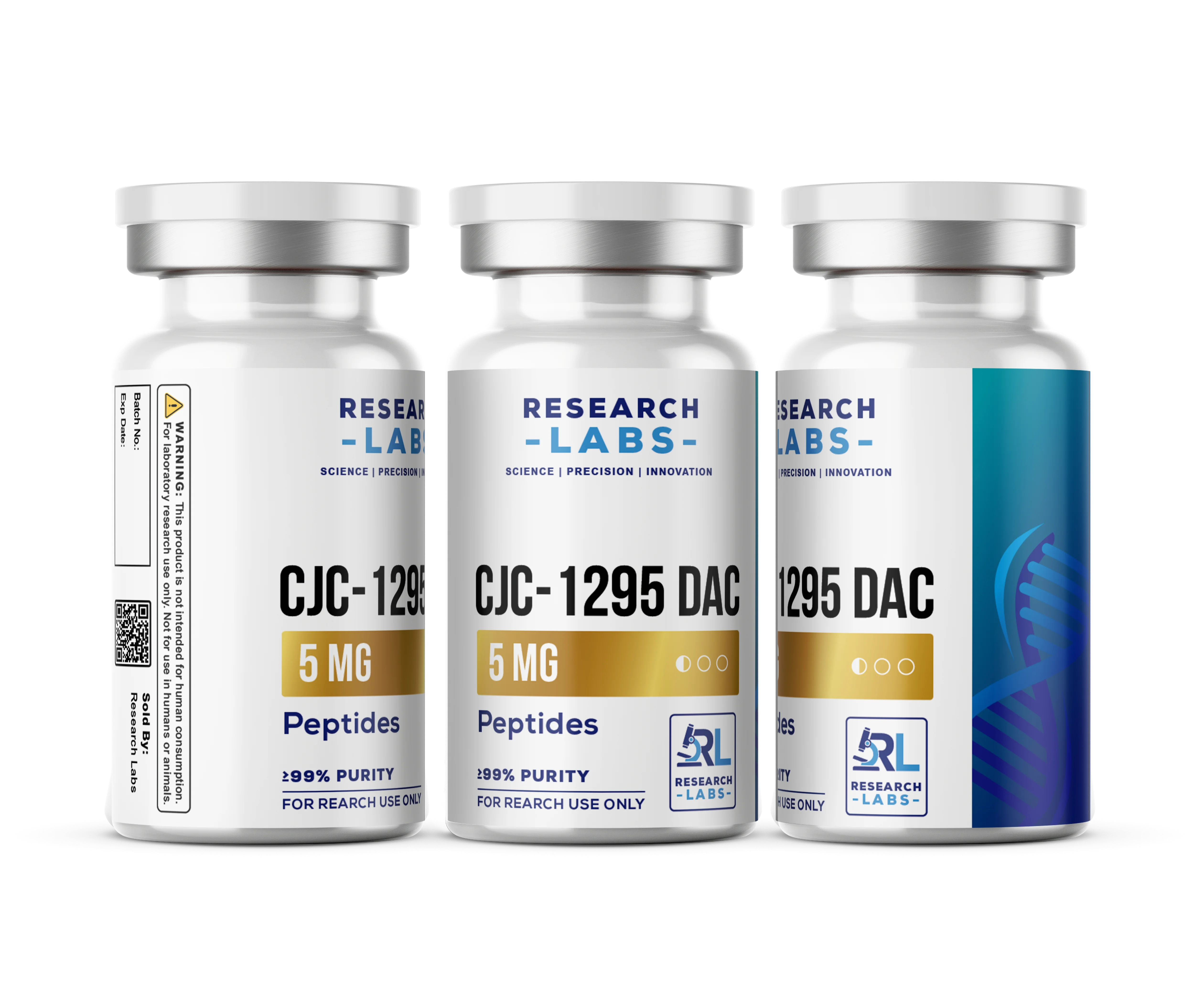
Finding a reliable place to buy peptides online in Australia can feel difficult. Search results are filled with overseas marketplaces, anonymous social-media sellers, vague product listings, and websites that make claims that are difficult to verify.
For laboratory researchers, the priority is not a “quick fix” or a dramatic before-and-after promise. It is traceability: knowing what compound you ordered, which batch you received, how it was tested, how it is labelled, and whether the supplier provides clear documentation and support.
This guide explains how to assess supplier information, understand Certificates of Analysis (COAs), and recognise the limits of laboratory testing. It also outlines important Australian regulatory considerations. It is educational information, not an endorsement or recommendation to purchase peptide products.
Important: A “research use only” label does not, by itself, determine whether a peptide product can legally be imported, supplied, manufactured, or advertised in Australia. Regulatory status depends on the product, its intended purpose, and how it is represented. Check the current TGA requirements and obtain qualified regulatory advice where needed.
What Are Peptides?
Peptides are short chains of amino acids linked by peptide bonds. They occur naturally in living organisms and are involved in many biological processes. In a laboratory setting, peptides may be studied for their structure, stability, receptor interactions, analytical behaviour, formulation characteristics, and other research applications.
A peptide is different from a full protein because it is generally shorter. However, the term “peptide” covers a broad range of compounds, from very small molecules to longer chains with more complex structures.
In research environments, peptides are commonly supplied as:
- Lyophilised powders in sealed vials
- Pre-mixed research solutions, where appropriate and clearly documented
- Multi-compound research sets
- Reagents and laboratory accessories
- Compounds supplied with batch-specific analytical documentation
The exact presentation depends on the compound, supplier, storage requirements, and intended research application. RL Australia describes its catalogue as including research-grade peptides with COAs, multi-compound sets, and add-ons or accessories.
Why Peptide Sourcing Requires Careful Due Diligence
The question is not simply which website has a peptide name in its product title. A responsible buyer needs to assess whether the supplier can provide:
Clear compound identification
Batch-specific testing information
Transparent handling and storage guidance
Secure payment and delivery processes
Responsive Australian-based support
A clear research-use-only position
Documentation that can be reviewed before purchase
These factors matter because peptide research depends on consistency. If a compound cannot be identified clearly, or if its purity and identity cannot be verified, it becomes difficult to conduct repeatable work.
The Therapeutic Goods Administration (TGA) notes that many peptide products promoted online are unapproved therapeutic goods and may not have been assessed for safety, quality, or effectiveness. The TGA also states that “research use only” or “not for human use” disclaimers do not change whether a product is regulated as a therapeutic good.
That is why this guide focuses on legitimate research sourcing, transparent documentation, and compliance—not on promoting peptides for personal use.
What to Look for in an Australian Peptide Supplier
When comparing suppliers, use a consistent checklist. A polished website is not enough; the details behind each product matter more.
1. Clear Product Identification
Every listing should clearly identify the compound. Vague names, incomplete descriptions, unexplained abbreviations, or listings that only use codes can create confusion.
Look for:
- The full compound name
- Molecular formula where applicable
- Molecular weight where applicable
- CAS number, where relevant and available
- Purity specification
- Net amount or vial size
- Storage guidance
- Batch number
- Research-use-only labelling
Clear labelling is particularly important. The TGA has warned that unmarked vials, products identified only by codes, and items missing active-ingredient or concentration information create safety risks and may not be released under the Personal Importation Scheme.
2. Batch-Specific Certificates of Analysis
A Certificate of Analysis, or COA, is one of the most important documents in research sourcing. It should provide information about the specific batch being supplied, rather than a generic document unrelated to the item in your order.
A useful COA may include:
- Product name and catalogue reference
- Batch or lot number
- Appearance
- Purity result
- Analytical method
- Test date
- Laboratory details
Storage recommendations
- Expiry or retest date, where applicable
RL Australia states that product pages link to laboratory reports and that COA information is provided. A reader should verify the specific report, batch details, and test scope independently. A COA is not evidence of TGA approval or authorisation to supply a therapeutic good.
3. Independent Third-Party Testing
Supplier self-testing can be useful, but independent verification adds another layer of transparency. Third-party testing means an external laboratory has assessed the material, rather than relying only on the seller’s internal claims.
When reviewing testing information, consider:
Is the testing laboratory identified?
Is the report linked to a specific batch?
Does the report match the product name and quantity?
Does the document include a date and identifiable test method?
Is the report easy to download or view?
Does the supplier explain what the test measures?
RL Australia describes third-party laboratory testing and links to reports through its website. Readers should confirm the report’s authenticity, scope, date, and batch relevance rather than relying on a general testing claim.
4. Transparent Shipping and Handling
Peptides can be sensitive to temperature, moisture, repeated handling, and poor packaging. A responsible supplier should explain how products are packed and dispatched.
Look for:
- Secure, protective packaging
- Clear dispatch cut-off times
- Tracking information
- Australia-wide delivery information
- Guidance on receipt and storage
- A clear returns policy for unopened items
RL Australia advertises same-day dispatch before 12 pm, secure checkout, free standard shipping on qualifying orders over $200, and a returns policy for unopened items within 14 days.
5. Accessible Australian Support
If something goes wrong with an order, you should be able to contact a real support team. Look for an email address, phone number, business location, and clear response process.
RL Australia lists Australian email support, a Sydney address, a phone number, and an email contact address on its website.
Where to Buy Peptides Online in Australia: Your Options
There are several types of online sources, but they are not equal in transparency, documentation, or suitability for research.
Source type Potential advantages Risks and limitations
Specialist Australian research supplier Australian support, local dispatch, product documentation, clearer accountability Availability and catalogue depth may vary
Overseas peptide website May offer a broad selection Longer shipping, customs risk, less accessible support, documentation may be unclear
Social-media seller Sometimes low prices or fast communication High risk of unverifiable identity, inconsistent quality, no formal documentation
Marketplace listing Convenient browsing Seller quality can vary widely; traceability may be poor
Unverified “research chemical” site May appear inexpensive Unclear sourcing, testing, labelling, storage, and returns practices
For research purposes, a specialist supplier with clear documentation is generally preferable to an anonymous marketplace listing or social-media seller. The key is not simply finding the lowest advertised price; it is ensuring that the material, batch, documentation, and support can be verified.
Why RL Australia Is a Research-Focused Option
RL Australia’s website describes its approach as research-focused and highlights third-party laboratory reports, COA information, Australian customer support, and order information. These are supplier representations; they do not establish TGA approval or legal authority to supply a therapeutic good.
For buyers researching where to purchase peptides online in Australia, these are practical signals to assess.
Lab-Tested Products
RL Australia states that its peptides are third-party lab tested and that lab reports are linked on each product. This matters because a COA should connect directly to the batch being supplied.
Before ordering, open the product page and review:
- The compound name
- The batch information
- The COA or lab report
- Purity details
- Storage guidance
- Any limitations or research-use statements
If a supplier does not make this information accessible, ask for it before purchasing.
Clear Research Position
RL Australia’s website states that its products are intended for laboratory and research purposes and are not for human consumption. This statement does not override the TGA’s regulatory requirements or independently establish that a product may lawfully be supplied.
This is an important boundary. A supplier should never encourage personal use, provide medical dosing instructions, or present research compounds as treatments for health conditions.
Australian-Based Operations
RL Australia publishes Australian contact information and a Sydney business address. Contact details can help establish who operates a website, but they do not verify product quality, regulatory status, or authorisation.
For Australian researchers, local support can also reduce uncertainty around shipping timelines, order tracking, and product documentation.
Secure Checkout and Delivery
The RL Australia website advertises 256-bit encrypted payments, same-day dispatch before 12 pm, and free standard shipping on orders over $200.
These are practical operational features. They do not replace due diligence, but they can make the purchasing process more predictable.
How to Evaluate a Peptide Product Page
A strong product page should answer most questions before you need to contact support. Use this process when assessing any peptide listing.
Step 1: Confirm the Compound
Check that the product name is complete and specific. Avoid listings that rely only on nicknames, incomplete abbreviations, or unclear descriptions.
For example, a responsible listing should identify the compound clearly rather than leaving the buyer to guess what is in the vial. The TGA has specifically raised concerns about products identified only by codes or abbreviations and products lacking essential identifying information.
Step 2: Review the COA
Do not assume that a COA exists simply because a website uses the phrase “lab tested.” Open the document and check that it relates to the batch you are buying.
Look for:
- A matching product name
- A matching batch number
- A testing date
- A clear purity result
- The testing method
- Laboratory identification
- Any relevant notes or qualifications
If the COA is generic, undated, missing a batch number, or does not match the product, treat it as a warning sign.
Step 3: Check the Presentation
Confirm whether you are ordering a lyophilised powder, a solution, a multi-compound set, or an accessory. Each format has different handling considerations.
For lyophilised materials, storage and reconstitution practices are especially important in a laboratory setting. Follow the supplier’s documentation and your institution’s laboratory protocols.
Step 4: Review Storage Guidance
Peptides may require particular storage conditions depending on their formulation and stability profile. A supplier should provide clear guidance on how to store the product once received.
Do not rely on assumptions. If storage information is missing, ask the supplier before ordering.
Step 5: Confirm the Ordering Terms
- Review shipping, returns, payment, and support policies before checkout. A reliable supplier should make these terms easy to find.
RL Australia publishes information about returns, checkout, and customer support. Review the current terms directly and remember that a returns policy does not replace regulatory due diligence.
Red Flags When Buying Peptides Online
Not every low price is a problem, but certain warning signs should make you pause.
No Verifiable COA
If a supplier claims high purity but cannot provide a batch-specific COA, that is a major concern. A COA should be available, readable, and relevant to the product being sold.
Vague or Missing Labelling
Avoid products with unclear names, missing compound details, unmarked vials, or labels that do not allow accurate identification. The TGA warns that unclear labelling creates safety risks and may prevent products from being released under the Personal Importation Scheme.
No Contact Details
A legitimate business should provide a way to contact it. Look for an email address, phone number, physical address, and clear customer-service process.
Pressure-Based Marketing
Be cautious of websites that use urgency tactics, exaggerated claims, or promises of rapid physical results. Research materials should be presented as research materials, not as miracle products.
No Returns or Support Policy
If a seller does not explain what happens if an item arrives damaged, incorrectly labelled, or inconsistent with its listing, that is a poor sign.
Anonymous Social-Media Sellers
Social-media transactions can be difficult to verify. Without a business identity, documented testing, and a formal ordering process, it can be challenging to resolve problems after payment.
Common Questions About Buying Peptides in Australia
Can I buy peptides online in Australia?
You can find peptide products online, but the legality and appropriate use depend on the product, its intended purpose, its regulatory status, and how it is supplied or advertised. The TGA explains that peptide products regulated as therapeutic goods generally must be included in the Australian Register of Therapeutic Goods before they can be imported, manufactured, supplied, exported, or advertised.
A research-use statement and a COA are not proof that a product is lawful to supply or suitable for human use. Anyone involved in importing, supplying, manufacturing, or advertising peptide products should check the applicable TGA requirements before proceeding.
Are “research use only” peptides automatically legal?
No. The TGA states that disclaimers such as “research use only” or “not for human use” do not change whether a product is regulated as a therapeutic good, nor do they remove import, supply, manufacture, export, or advertising obligations.
This is why buyers should not treat a disclaimer as a substitute for understanding the applicable rules.
Can peptides be imported into Australia for personal use?
The TGA describes a Personal Importation Scheme that may allow individuals to import certain therapeutic goods for personal use, subject to strict conditions. These conditions include personal or immediate-family use, quantity limits, valid Australian prescriptions where required, and clear and accurate product labelling.
The TGA also warns that unapproved peptide products that are not clearly labelled, including those identified only by codes, cannot be assessed for lawful importation under the scheme and will not be considered for release.
What does a COA prove?
A COA provides batch-specific analytical information. It can help a buyer verify identity and purity claims, but it should be read carefully and matched to the exact product and batch ordered.
A COA is not a substitute for clinical approval, medical advice, or regulatory authorisation. It is a research documentation tool.
Why does third-party testing matter?
Third-party testing can provide independent verification of certain product characteristics. It does not eliminate every risk, but it gives buyers more information than a supplier’s unsupported claim.
When reviewing a third-party report, check that it identifies the laboratory, batch, test date, method, and result.
What should I do if a product arrives damaged?
Contact the supplier promptly, retain the packaging, take clear photographs, and follow the returns or support process. RL Australia states that it offers a returns policy for unopened items within 14 days.
How to Store Peptides for Research
Storage requirements vary by compound and presentation. Always follow the supplier’s documentation and your laboratory’s standard operating procedures.
General research-handling principles include:
- Keep products sealed until needed
- Avoid unnecessary exposure to moisture and light
- Follow the storage temperature stated by the supplier
- Use appropriate laboratory labelling and record-keeping
- Do not mix compounds unless your protocol specifically requires it
- Keep batch numbers linked to experimental records
- Dispose of materials according to institutional and local requirements
Clear handling and storage practices support traceability. They also help ensure that research records remain accurate and reproducible.
Why Documentation Matters in Peptide Research
In research, documentation is not an optional extra. It is part of the work.
A well-documented compound allows a researcher to:
Confirm what material was used
Link results to a specific batch
Repeat an experiment under comparable conditions
Identify potential sourcing or handling issues
Maintain accurate laboratory records
Support quality-control processes
This is particularly important when working with sensitive compounds or when comparing results across experiments. A batch-specific COA helps create a clearer chain of custody from supplier to laboratory.
How to Compare Peptide Suppliers
Use a simple scoring approach before placing an order. Assign a yes or no to each question:
Evaluation question Why it matters
Is the compound clearly identified? Prevents confusion and supports traceability
Is a batch-specific COA available? Links documentation to the material supplied
Is third-party testing disclosed? Adds an independent verification layer
Are storage instructions provided? Supports appropriate handling after delivery
Is the supplier contactable? Makes issue resolution possible
Are shipping terms clear? Reduces uncertainty around delivery
Is the returns policy clear? Provides a process if something goes wrong
Is the research-use-only position clear? Helps set appropriate expectations and boundaries
Are prices transparent? Helps avoid hidden fees or unclear ordering terms
Does the site avoid medical claims? Supports a research-focused, compliance-aware approach
A supplier does not need to be perfect on every point, but it should be able to answer these questions clearly.
A Practical Buying Checklist
Before completing an order, complete this checklist:
- Confirm the exact compound name and presentation.
- Review the product page, including vial size and purity information.
- Open and review the COA or lab report.
- Check that the batch number matches the product listing.
- Confirm the storage requirements.
- Review shipping, dispatch, and returns policies.
- Save the order confirmation and documentation.
- Store the product according to the supplier’s instructions.
- Keep laboratory records linked to the batch number.
- Use the material only for legitimate research purposes.
This process takes only a few minutes, but it can prevent costly mistakes and improve the quality of your research records.
Why Price Should Not Be the Only Factor
Price is important, especially for laboratories managing budgets. However, the cheapest listing is not always the best value.
A low price can sometimes reflect:
- Unclear sourcing
- Poor documentation
- Inconsistent batch quality
- Weak customer support
- High risk of delivery issues
- Limited recourse if something goes wrong
Instead of comparing price alone, compare the total buying experience: product information, documentation, support, shipping, packaging, and after-sales service.
The website describes COA information, third-party testing, checkout, and customer support. These details may help readers assess the information a supplier publishes, but none should be treated as proof of TGA approval or lawful supply.
How RL Australia Structures Its Catalogue
RL Australia organises its catalogue around research areas, compound classes, vial sizes, purity grades, and presentation. The website describes a research-area index that allows users to select a research area and view related compound groupings.
This structure can be useful for researchers who are not simply looking for one isolated product. It may help them identify related compounds, compare presentations, and locate supporting documentation more efficiently.
The site also includes categories for:
Peptides
Multi-compound sets
Add-ons and accessories
This can make it easier to plan an order around a particular research workflow rather than searching across unrelated listings.
Questions to Ask Before Ordering
If you are unsure about a supplier or product, ask direct questions before paying.
Useful questions include:
Can you provide the COA for the exact batch I will receive?
- Which third-party laboratory performed the testing?
- What method was used for the purity result?
- What is the recommended storage condition?
- How is the product packaged for transit?
- What is your dispatch cut-off time?
- What happens if the item arrives damaged?
- Can you confirm the product is intended for laboratory research only?
- Do you provide support if documentation is missing or unclear?
A supplier that cannot answer basic sourcing questions may not be the best choice for serious research work.
The Importance of Responsible Research Practices
Peptides can be valuable research materials, but responsible sourcing matters. Buyers should:
- Purchase only for legitimate laboratory or research purposes
- Follow institutional policies and applicable laws
- Avoid personal use or human consumption
- Avoid suppliers that make medical claims
- Keep records of batches, COAs, and storage conditions
- Seek qualified professional advice where appropriate
- Report suspected unlawful activity or non-compliant advertising to the TGA where relevant
The TGA states that people and businesses involved in importing, supplying, manufacturing, exporting, advertising, prescribing, or compounding peptide products must understand and comply with their legal obligations. It also notes that significant penalties may apply for unlawful dealings with unapproved peptide products.
Final Thoughts: Choosing a Peptide Supplier in Australia
If you are researching peptide products in Australia, do not treat a supplier’s website, product label, or research-use disclaimer as proof that a product is lawful or safe. Check its regulatory status and the supplier’s legal obligations before taking any action.
RL Australia’s website describes its business as research-focused and publishes information about laboratory reports, COAs, checkout, support, and shipping. These are statements made by the supplier and should be independently assessed.
For legitimate laboratory work, documentation and traceability are important, but they do not replace regulatory authorisation. Verify the applicable legal requirements, retain relevant records, and follow institutional laboratory procedures. Do not use research-labelled products for personal, clinical, or therapeutic purposes.
Disclaimer: This article is for general information and research-market education only. It does not provide medical, legal, or regulatory advice. Peptide products available through RL Australia are for laboratory and research use only, are not for human consumption, and must not be used for personal, clinical, or therapeutic purposes. Purchasers must be 18 or older and agree to use products solely for legitimate research purposes.